
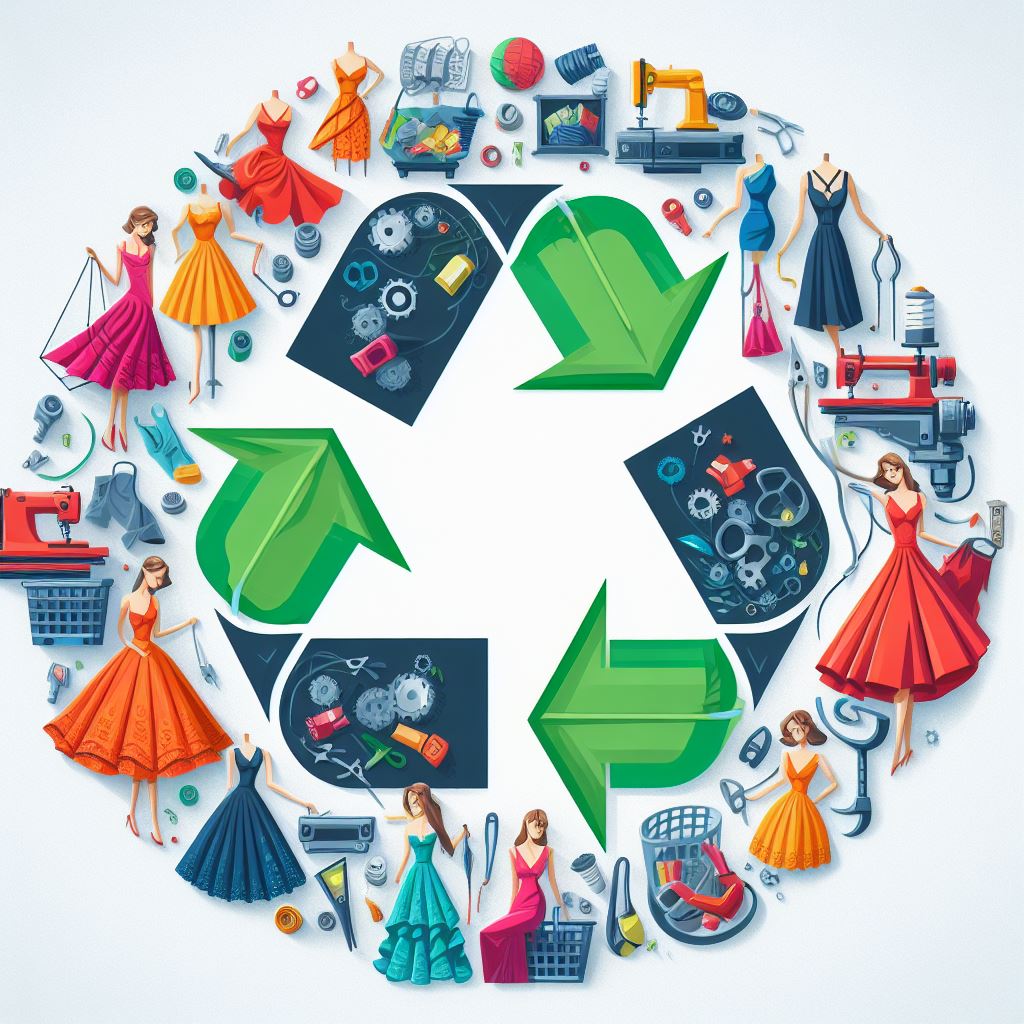
In an era marked by environmental awareness, the fashion industry is at a crossroads. Traditional practices have led to a significant environmental footprint, prompting a shift towards more sustainable alternatives. One of the key solutions gaining prominence is the concept of circular fashion, which emphasizes recycling and reusing materials to create new garments. This blog post aims to explore the significance of recycling and circular fashion in women's dress manufacturing, shedding light on the positive impact it has on both the environment and the fashion industry.
The Circular Fashion Paradigm:
Circular fashion is a holistic approach to clothing production that prioritizes the entire lifecycle of a garment. Unlike the traditional linear model, where items are made, used, and then discarded, circular fashion aims to create a closed loop system. This means that at the end of a garment's life, it can be recycled, repurposed, or regenerated to create new clothing, thereby minimizing waste and reducing the demand for new resources.
Advantages of Circular Fashion in Women's Dress Manufacturing:
-
Resource Conservation: By recycling and reusing materials, circular fashion significantly reduces the need for new resources. This includes raw materials like cotton or polyester, as well as the energy and water required in the production process.
-
Waste Reduction: The fashion industry is notorious for its waste, with millions of tons of textiles ending up in landfills each year. Circular fashion seeks to mitigate this issue by extending the lifespan of garments and diverting them from the waste stream.
-
Innovation and Creativity: Designers in circular fashion are challenged to think outside the box, finding innovative ways to repurpose materials and create unique, sustainable garments. This fosters creativity and pushes the boundaries of traditional design.
-
Ethical and Sustainable Consumption: By choosing circular fashion, consumers are making a conscious decision to support sustainable and ethical practices. This can lead to a shift in consumer behavior, encouraging more people to prioritize environmentally-friendly options.
Recycling Techniques in Dress Manufacturing:
-
Fiber-to-Fiber Recycling: This involves breaking down old garments into their original fibers, which can then be used to create new fabrics. This process helps maintain the quality of the material while reducing the need for virgin resources.
-
Upcycling and Repurposing: Similar to upcycling, this technique involves transforming discarded materials into new garments. However, in circular fashion, the focus is on creating items of equal or higher value, ensuring they remain in circulation for as long as possible.
-
Closed-Loop Production: This approach involves designing garments with the end in mind, ensuring they can be easily disassembled and recycled once they reach the end of their life.
Conclusion:
Circular fashion represents a significant step forward in the sustainable evolution of the fashion industry. By prioritizing recycling and reusing materials, we can close the loop on fashion production, minimizing waste and reducing our impact on the environment. As consumers, we have the power to support this movement by choosing circular fashion options, thereby contributing to a more sustainable and ethical future for the fashion industry. Together, we can close the loop and pave the way for a more environmentally-conscious approach to women's dress manufacturing.